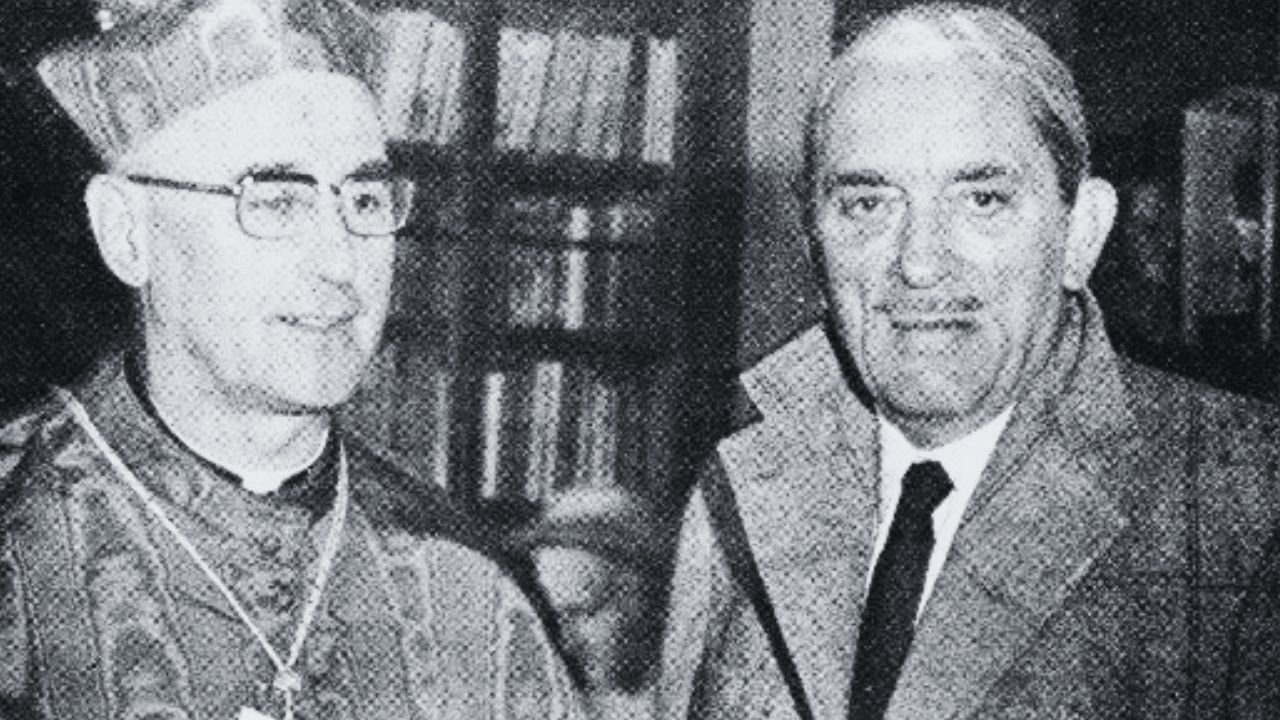

The name Jan Stanisław Albrycht Radziwiłł appears in genealogy databases and family records connected to one of the most historically significant noble houses in Central and Eastern Europe. Yet outside of those records, very little public biographical information exists about him as an individual.
That is not unusual for members of old aristocratic families. Not every descendant of a famous dynasty becomes a public figure themselves. But the Radziwiłł name carries so much historical weight that even modern descendants attract research interest — simply because of who their ancestors were.
This article covers what is confirmed about Jan Stanisław Albrycht Radziwiłł: his identity, his parentage, the name variants that appear in different sources, and the broader family history that explains why genealogists and history enthusiasts still track this lineage today.
Who Jan Stanisław Albrycht Radziwiłł Is?
Jan Stanisław Albrycht Radziwiłł was born in 1947. Genealogical sources, including MyHeritage, Find a Grave, and Wikipedia’s Radziwiłł family entry, record him as a prince of the Radziwiłł family and a modern descendant of this historic noble house.
He is not a public figure with a documented career, public profile, or significant media coverage. His name surfaces in genealogical records rather than major biographies or news archives. That distinction matters, because it shapes what kind of information is actually available and verified.
The most reliable way to understand who he is comes from looking at his place in the family tree — and that is where confirmed details exist. He represents a living continuation of a princely line that stretches back several centuries into Polish-Lithuanian history.
His Parents and Direct Family Line
Jan Stanisław Albrycht Radziwiłł is the son of Prince Stanisław Albrecht Radziwiłł (1914–1976) and Grace Maria Kolin, also recorded in some sources simply as Grace Kolin. Both MyHeritage and Find a Grave confirm this parentage independently.
The direct line is straightforward: Stanisław Albrecht Radziwiłł → Jan Stanisław Albrycht Radziwiłł. His father was himself a notable figure within the modern continuation of the family — a prince carrying one of the most recognized aristocratic surnames in Central European history.
Find a Grave records Jan Stanisław Albrycht Radziwiłł’s birth date as 8 August 1947, adding a specific detail that corroborates the broader genealogical picture provided by MyHeritage.
It is worth being careful here. No confirmed details about Jan Stanisław Albrycht Radziwiłł’s own marriage, children, education, or place of residence have been established through the sources reviewed for this article. Those details should not be assumed or filled in based on family tradition or general expectations about aristocratic households.
It is also important not to confuse him with older historical figures who share similar names. Albrycht Stanisław Radziwiłł (1593–1636), for example, was a prominent Chancellor of Lithuania from a much earlier era — a completely different person from a different century.
Why His Name Appears in Two Different Forms?
One thing that trips up researchers looking into this name is the variation between how it appears in different records. Some sources list him as “Jan Stanislas Radziwill” — an anglicized or French-influenced spelling. Others use the Polish formal version: “Jan Stanisław Albrycht Radziwiłł.”
Both forms refer to the same person born in 1947. MyHeritage explicitly notes this, treating “Jan Stanislas Radziwill” and “Jan Stanisław Albrycht Radziwiłł” as the same individual.
This kind of name variation is common when old European noble families are recorded across multiple languages and record-keeping systems. Polish names with characters like “ł” and “ą” are often simplified or adapted in English, French, and German documents. The result is that the same person can appear under slightly different spellings depending on which archive or database you are searching.
Knowing this helps researchers avoid treating these as two separate people. If you have found “Jan Stanislas Radziwill” in one place and “Jan Stanisław Albrycht Radziwiłł” in another, you are looking at the same individual.
The Radziwiłł Family and Its Historical Significance
To understand why this name still generates search interest centuries after the family’s peak power, it helps to know who the Radziwiłłs actually were.
The Radziwiłłs are a Polish princely family of Lithuanian origin. They rose to become one of the most powerful magnate houses in the Grand Duchy of Lithuania and, later, the Polish–Lithuanian Commonwealth. At various points in their history, they held major political, military, and religious roles across the region.
The family was granted the title of princes of the Holy Roman Empire — a recognition that placed them among the highest ranks of European nobility, not just within Poland-Lithuania but in a broader continental context. Britannica describes the Radziwiłłs as one of the most important Polish-Lithuanian princely houses, and that assessment is hard to argue with given their documented reach.
Their influence extended across several centuries. They controlled vast estates, held senior positions in government, and shaped religious and cultural life in the region. The Encyclopedia of Ukraine also notes their significant historical roles, reflecting how far their reach extended beyond strictly Polish or Lithuanian boundaries.
This long reach explains something practical: when a family has been prominent for that many centuries, genealogical databases continue tracking their descendants well into the modern era. Being listed in these records does not necessarily mean a person is publicly famous. It simply means the family’s lineage is well-documented and historically significant enough to be worth preserving.
If you enjoy exploring family histories like this, Honest Business Tips covers a range of topics that connect history, research, and real-world information.
Why There Is So Little Public Information About Him Personally?
It is a fair question: if the Radziwiłł name is so well-known, why is there so little written about Jan Stanisław Albrycht Radziwiłł as an individual?
The honest answer is that being born into a historically famous family does not automatically make someone a public figure. The Radziwiłłs were most prominent during the 16th through 18th centuries. By the modern era, the family, like many old European noble houses, had moved largely out of political life. Descendants continued to carry the title and name, but they were not necessarily occupying public roles that generated news coverage or biographical documentation.
Jan Stanisław Albrycht Radziwiłł, born in 1947, belongs to this modern phase of the family’s history. His significance, as far as public records reflect, is genealogical — he is a confirmed link in a long dynastic chain, not a figure who built a separate public profile of his own. That is a perfectly reasonable thing to be, and it is worth stating clearly rather than overstating what the available evidence actually shows.
A Quick Summary of What Is Confirmed
- Full name: Jan Stanisław Albrycht Radziwiłł (also recorded as Jan Stanislas Radziwill)
- Born: 8 August 1947
- Father: Prince Stanisław Albrecht Radziwiłł (1914–1976)
- Mother: Grace Maria Kolin (also recorded as Grace Kolin)
- Family: The Radziwiłł princely family, one of the most significant noble houses in Polish-Lithuanian history
- Sources: MyHeritage, Find a Grave, and Wikipedia’s Radziwiłł family entry all corroborate the above
Details beyond these points — including his personal life, career, or residence — are not confirmed in the sources reviewed here and should not be treated as established facts.
Final Thoughts
Jan Stanisław Albrycht Radziwiłł is a modern descendant of one of the most historically documented noble families in Central and Eastern Europe. His significance lies in that lineage rather than in any separately documented public career.
For anyone researching the Radziwiłł family tree, his confirmed identity as the son of Stanisław Albrecht Radziwiłł and Grace Maria Kolin, born in 1947, is the solid starting point. And understanding the name variants — “Jan Stanislas Radziwill” in anglicized records, “Jan Stanisław Albrycht Radziwiłł” in Polish-language sources — helps make sure the right person is being tracked across different databases.
The Radziwiłł family itself remains one of the more fascinating subjects in European genealogical history. Their reach across centuries and countries means that even a modern descendant with a quiet private life carries a name that still prompts genuine historical curiosity.
Also Read: