
Many celebrities get described as descendants of French kings or noble families. It sounds impressive, but what does it actually mean? And how much of it holds up when you look closely?
This article breaks down what French nobility really was, how ancestry claims get made and sometimes overstated, and which public figures have documented connections to French noble surnames. It also explains what those connections do and do not prove.
What “French Noble” Actually Means?
French nobility was not just a reputation or a family name. It was a legal class with specific privileges — things like tax exemptions, the right to carry a sword, and access to certain offices. The main title ranks were duke (duc), marquis, count (comte), viscount (vicomte), and baron.
The French Revolution changed all of that in 1789. The legal privileges of the nobility were abolished. Later governments allowed some titles to reappear in a social sense, but they carry no legal weight in modern France.
Today, noble identity in France is mostly historical and social. A family may have an old title and a recognizable surname, but that does not give them any legal rights or formal standing in the state.
The “de” in a Surname Is Not Proof of Noble Blood
This is probably the most common misconception in celebrity genealogy. Many people assume that a surname with de, d’, or du in front of it signals aristocratic descent. That is not accurate.
These particles in French surnames often indicated geographic origin — where a family came from — or simply reflected a local naming custom. Many non-noble families used them. The particle alone tells you very little.
A surname is better understood as a research lead, not a conclusion. Surnames like de Valois or d’Orléans are worth investigating, but only documented records connecting each generation can establish a genuine noble line. MyHeritage’s 2024 guide on French royal surnames specifically recommends using civil registrations and parish records for verification — not surname matching alone.
So if someone tells you their last name proves they descended from French royalty, that is where the research needs to start, not finish.
Public Figures Associated With French Noble Surnames
There are some well-documented public figures connected to French noble family names. These are not unverified claims — they are examples drawn from historical records and reputable sources.
Valéry Giscard d’Estaing
The former President of France is one of the most prominent modern figures openly associated with a French noble surname. His family adopted the d’Estaing addition to their name in the early 20th century, connecting themselves — with some controversy — to the historic d’Estaing family. His case is itself a good example of how noble surname claims can be complicated even among well-known political figures.
Jean-Christophe, Prince Napoléon
He is a living public figure who carries a historic French dynastic title by descent from Napoleon Bonaparte’s family. His title is a matter of dynastic succession within the Bonaparte line, not a legally recognized noble rank in France. He is the most direct example of a modern person with a documented and publicly acknowledged French dynastic connection.
The de Vogüé Family
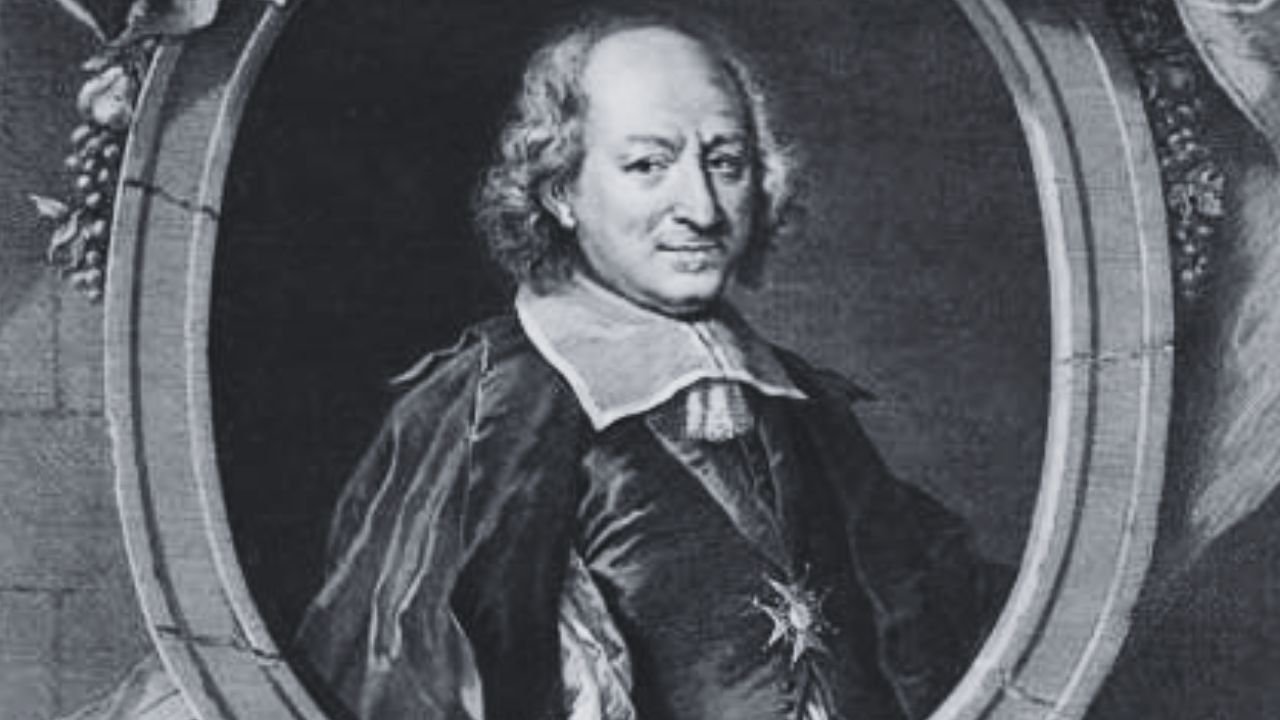
The BBC has highlighted the de Vogüé family as an example of a French noble family that remains socially recognizable today. The family traces its documented origins to 12th-century Ardèche. Guy de Vogüé and Bishop Antoine de Romanet are cited in genealogy databases in connection with this family name. The de Vogüé example is useful because it shows how some old French families maintained social continuity long after the Revolution ended their legal privileges.
What all these examples share is that the connections are documented and publicly acknowledged — not just found in an unverified online family tree.
Royal Ancestry vs. Noble Ancestry — Not the Same Thing
This distinction confuses a lot of people, and it drives many inaccurate celebrity genealogy claims.
Being descended from a French king is not the same as being a member of a noble house or dynasty. A person can have royal ancestry through a distant, collateral, or illegitimate line. That ancestry may be real in a genealogical sense, but it is very different from being part of a recognized royal family.
MyHeritage published a first-person account in 2025 that illustrates this well. A user traced a family line through Jean Louis de Bourbon, identified as an illegitimate son of the Duke of Orléans — who was himself a son of Henri IV and Marie de Medici. The connection back to a 16th-century French king was real within the documented tree. But it ran through an illegitimate branch that carried a different surname and had no claim to titles or succession.
That is what most “royal ancestry” discoveries actually look like. The connection is genuine on paper, but it is separated by many generations, runs through a non-inheriting branch, and does not make the modern person a prince or princess in any meaningful sense.
When celebrities like Angelina Jolie or Brooke Shields are described as having French royal ancestry, claims like those need line-by-line documentary evidence across every single generation. A match on a genealogy platform is not the same as a verified record trail.
How Celebrity Genealogy Claims Actually Get Made?
Most celebrity genealogy claims start the same way. Someone uses a platform like MyHeritage or FamilySearch, finds a Smart Match or a user-created tree, and follows the lines back until they hit a famous name. The problem is that user-created trees are not always verified. One error in the chain can connect a celebrity to a royal ancestor who is not actually related to them.
The research workflow that actually holds up looks more like this:
- Start with the celebrity’s documented parents and grandparents.
- Confirm each relationship with civil records or parish registers.
- Track the line carefully into the relevant noble family.
- Compare the results against multiple independent genealogical sources.
- Treat unsourced online trees as clues only — not as evidence.
That process takes real time and access to archival records. Entertainment websites rarely go through it. That is why so many celebrity ancestry claims circulate without anyone having done the actual documentary work.
If you are researching your own possible French noble ancestry, resources like FamilySearch’s France Nobility guide and Heraldica.org offer solid reference material for understanding titles, hierarchy, and what records to look for. For broader context on how online genealogy works as a research process, Honest Business Tips covers research and verification topics that apply across many fields.
What Noble Ancestry Does and Does Not Mean Today?
Even if a celebrity’s French noble ancestry is fully documented and verified, it is worth being clear about what that means in practice.
It does not mean they inherited a title. French noble titles carry no legal recognition in modern France. It does not mean they inherited an estate, land, or wealth from that ancestor — most historic noble estates changed hands long ago. And it does not make them a member of a royal family in any current or functional sense.
What it does mean is that they have an interesting family history. Some old French families do remain socially prominent, maintain historic properties, or stay connected through professional and social networks. But that is a matter of ongoing family circumstance, not a consequence of noble ancestry itself.
Noble descent is historically significant and personally meaningful for many people. It just does not automatically come with the associations that the word “noble” tends to carry in popular culture.
A Useful Way to Think About It
A surname with de in it is like a signpost, not a destination. It may point toward a noble family. But only documented records — parish registers, marriage contracts, civil records, and verified genealogies — can actually establish the route.
Celebrity genealogy is genuinely interesting when it is done carefully. The stories that emerge from properly documented research are often more complex and more human than a simple “descended from royalty” headline suggests. An illegitimate branch, a younger son who emigrated, a daughter who married outside the nobility — these are the kinds of details that make genealogy worth doing.
The next time you see a headline claiming a celebrity is descended from a French king or noble family, the right question is not “is that cool?” It is “where is the documented evidence, and how direct is the line?”
That question will usually tell you everything you need to know.
Also Read: