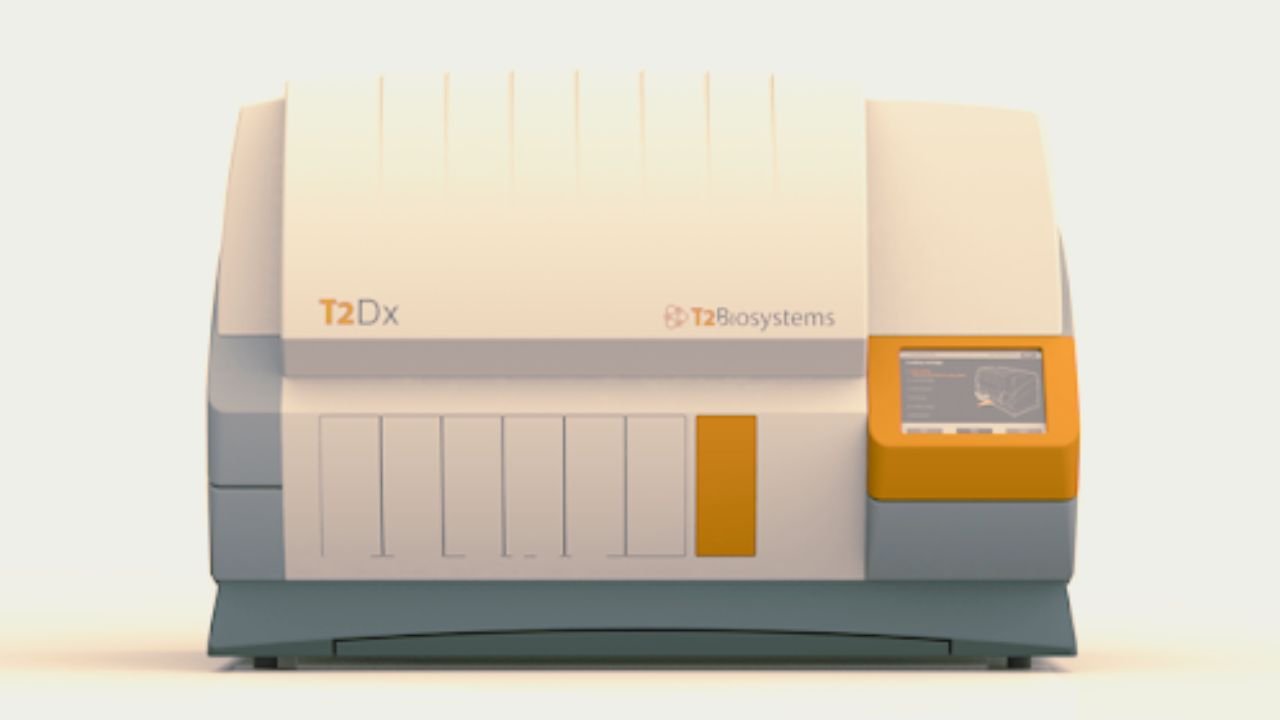

T2 Biosystems once had technology that could detect sepsis-causing pathogens directly from blood — faster than traditional lab methods. That is a real clinical need. Sepsis kills hundreds of thousands of people every year, and knowing which pathogen is causing the infection quickly can change treatment decisions.
Despite that genuine value, the company is closing. In February 2025, T2 Biosystems laid off nearly all its staff. By February 2026, it announced it would voluntarily liquidate and dissolve entirely.
This article explains exactly what is happening, what drove the company to this point, what it means for customers and investors, and what lessons other businesses can take from it.
T2 Biosystems Is Closing — Here Is What That Actually Means
The short answer: yes, T2 Biosystems is going out of business.
In February 2026, the company announced its intent to immediately cease operations and voluntarily liquidate and dissolve. This is not a restructuring. It is not a merger or a temporary pause. It is the end of the company in its current form.
The process actually started earlier. On February 14, 2025, the board authorized the termination of all employees and approved a wind-down process. The 2026 announcement confirmed the company would complete that wind-down.
It is also worth being precise about one thing: this is a voluntary liquidation. As of the time of writing, no confirmed Chapter 7 or Chapter 11 bankruptcy filing has been reported. Voluntary liquidation and formal bankruptcy are different legal processes, even if they can lead to similar outcomes for shareholders and creditors.
What T2 Biosystems Did and Why Its Technology Attracted Attention
T2 Biosystems was an in vitro diagnostics company. Its focus areas included rapid detection of sepsis-causing pathogens, antibiotic resistance genes, biothreat agents, and Lyme disease — all from whole blood samples.
What made the technology stand out was its core platform: a combination of magnetic resonance (T2MR) and PCR. This allowed the company to identify pathogens directly from blood without needing to first grow a culture. Traditional blood culture methods take significantly longer, which matters when a patient has sepsis.
The company held multiple FDA regulatory clearances and was operating in a space with real demand. Hospital labs and clinicians genuinely need faster pathogen identification tools.
Despite all that, T2 Biosystems never gained the commercial foothold it needed. Having good technology and having a sustainable business are two different things, and T2 is a clear example of that gap.
The Financial Problems That Made Liquidation Inevitable
T2 Biosystems was never profitable. It reported net losses every single year since it was founded. That alone is not unusual for a diagnostics startup — these companies often burn cash for years while building their product and market. But eventually, the math has to work.
For T2, it never did.
In its November 2024 Form 10-Q, the company disclosed that its cash on hand was insufficient to fund future operations. It flagged “substantial doubt” about its ability to continue as a going concern. These are serious disclosures — the kind that signal to investors and partners that a company may not survive.
Leadership eventually concluded that the situation had no workable fix. In their own words, the company faced “extremely limited cash and significant liabilities,” and a wind-down was described as “the only viable path forward.”
Nasdaq also issued multiple warnings to T2 Biosystems for failing to meet its listing requirements. Stock trading was suspended around February 2025. That effectively cut the company off from the equity markets it had relied on for capital.
T2 also had a history of complex financing arrangements. One example: debt conversion agreements with a creditor called CRG, where debt was converted to equity. That kind of financing structure is a sign that a company is leaning heavily on outside capital rather than operating revenue to stay alive. It works for a while, but it is not a business model.
What Happens to Customers, Products, and the Underlying Technology
This is the part that matters most for hospital administrators and lab managers who purchased T2 instruments.
Before deciding to liquidate, T2 hired an advisory firm to explore selling the company and its assets — including its patents and intellectual property. That process did not produce a buyer for the whole company. The business as a whole had no taker.
For customers still running T2 instruments, the practical situation looks something like this: the instruments may still work for a period, but consumables supply, service contracts, and technical support are all at risk. There is no guarantee those will continue once operations fully cease.
Hospital labs using T2 sepsis panels will likely need to plan a transition to alternative testing platforms. The specific timeline depends on what happens to existing inventory and whether any assets are acquired by another party.
If another company acquires T2’s technology, patents, or regulatory clearances, there is a possibility that some version of the product could live on under new ownership. But that is not confirmed, and customers should not count on it when making operational decisions.
What This Means for Investors
For shareholders, the outlook is poor, which is typical in situations like this.
In a voluntary liquidation, the company’s remaining assets are sold and proceeds are distributed to creditors first. After creditors are paid, shareholders receive whatever is left. In most distressed company liquidations — especially those involving years of losses and significant liabilities — there is little or nothing left for equity holders.
Trading in T2 stock was suspended in early 2025, so there has not been an active market for shares for some time. Investors who held positions before that suspension should not expect meaningful recovery.
If T2’s intellectual property or diagnostic platforms are sold to another buyer, there could be some asset value recovered. But that recovery flows to creditors first, not shareholders.
The Broader Lesson for Diagnostics and Medtech Startups
T2 Biosystems is not the first diagnostics company with strong technology to run out of runway. It will not be the last.
The company’s story highlights a specific and recurring problem in the diagnostics industry: clinical need and regulatory approval do not automatically translate into commercial success.
Several factors made T2’s situation especially difficult:
- Specialized equipment requirements. T2’s platform required hospitals to adopt new instruments and workflows. That creates adoption friction, especially in cost-sensitive hospital lab environments.
- Reimbursement challenges. Diagnostic tests need adequate reimbursement to drive adoption. Without that, even a superior test can struggle to reach patients at scale.
- High capital needs with slow returns. The company needed significant ongoing investment to operate, but commercial adoption was not fast enough to build toward profitability.
- Market timing and competition. Being early in a niche market with high capital costs and slow hospital adoption is a tough combination to survive.
For anyone building or investing in a diagnostics or medtech business, T2 is a useful case study. Regulatory clearance is a milestone, not a finish line. The harder work is building a commercial model that can sustain the business long enough to reach scale.
If you are running a business in healthcare or any capital-intensive industry, resources like Honest Business Tips can help you think through the operational and financial discipline that separates companies that survive from those that do not.
Final Thoughts
T2 Biosystems is closing. The technology was real, the clinical need was real, and the regulatory work was done. But the company never built a business that could sustain itself, and it eventually ran out of options.
For customers, the immediate priority is understanding service and supply continuity and planning a transition if necessary. For investors, the realistic expectation is minimal or no recovery. For the broader industry, the lesson is familiar but worth repeating: good science needs a viable commercial path, or it will not survive long enough to help anyone.
The wind-down process is underway. Whether any part of T2’s technology continues under a different owner remains to be seen.