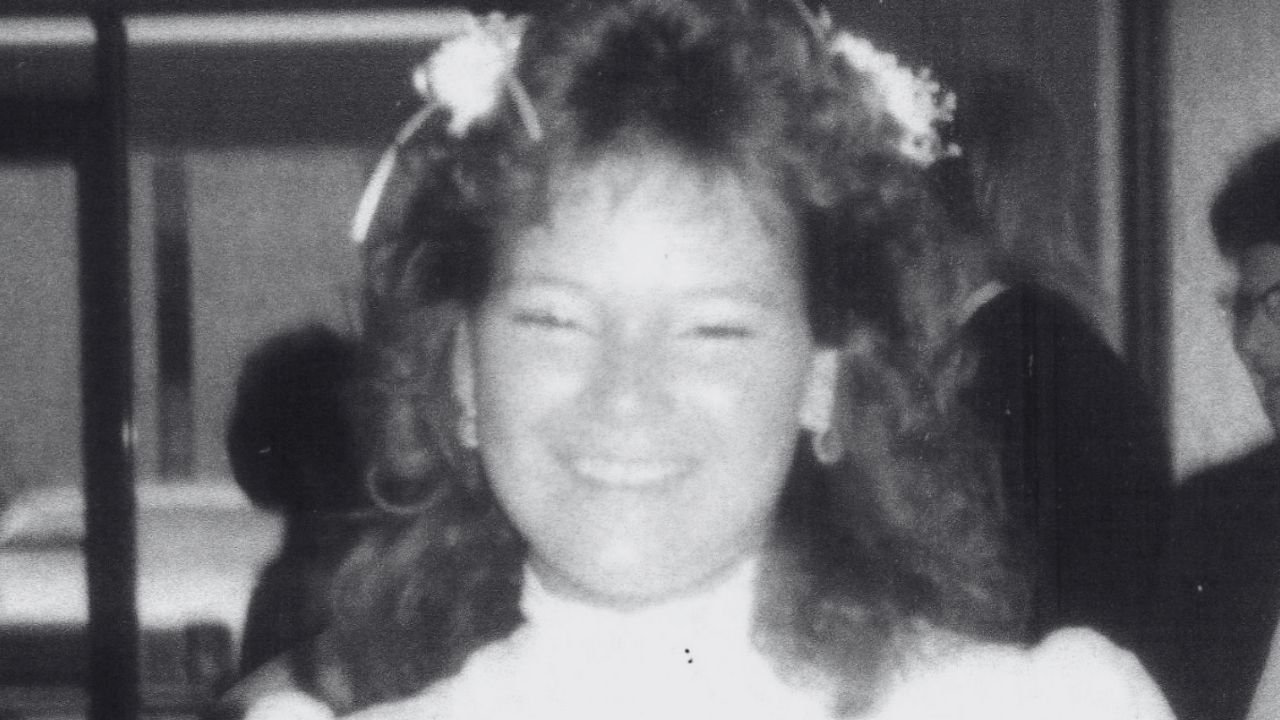

In February 1987, an 18-year-old newlywed named Michelle Schofield left work at a restaurant in Lakeland, Florida, and never came home. What followed was a disappearance, a murder investigation, a conviction, and decades of legal disputes that would eventually reach national audiences through podcasts and television.
This article covers who Michelle Schofield was, what happened to her, how the criminal case unfolded, and how her family remembers her today.
Who Was Michelle Schofield?
Michelle’s full name was Michelle Saum Schofield. She was born in 1968 in Florida and was 18 years old at the time of her disappearance and death. Some searches use “Michelle Schofield” and others use “Michelle Saum Schofield” — both refer to the same person.
She worked at a restaurant in Lakeland, Florida. At the time she went missing, she had been married to Leo Schofield for approximately six months. By any measure, she was at the very beginning of her adult life.
Beyond those confirmed facts, the public record does not offer much detail about her personal history. What her family has shared over the years is that she was someone who mattered deeply to them — a sister, a wife, a young woman taken far too soon.
February 1987 — Her Disappearance and the Discovery of Her Body
On February 24, 1987, Michelle finished her shift at the Lakeland restaurant where she worked. She was expected to meet Leo afterward. She never arrived.
Leo reported her missing after hours passed with no contact. The disappearance quickly became a police matter. Three days later, on February 27, 1987, her body was found in a canal in Bone Valley, a rural area in central Florida.
She had been stabbed 26 times. Her brother Jessie Saum has spoken publicly about what it was like when the family learned she had been found. His words, shared in ABC News interviews, reflect a grief that did not fade over the decades that followed.
Leo Schofield’s Arrest, Trial, and Conviction
Leo Schofield was not arrested immediately. About 15 months passed before he was taken into custody in June 1988. He was eventually convicted of first-degree murder and sentenced to life in prison.
The case drew attention in part because of what advocates later described as a lack of physical evidence directly tying Leo to the killing. Prosecutors, however, maintained that the conviction was valid and stood by the jury’s verdict. Courts upheld the conviction through years of appeals.
It is important to note that Leo’s conviction was never overturned by any court. At the same time, the case became a flashpoint in discussions about wrongful convictions, evidence standards, and how homicide cases are built and challenged. Whether Leo was guilty remained a genuinely contested question in public discourse, even as it remained settled in legal terms.
The Jeremy Scott Claims and Why the Case Remained Disputed
Years after the conviction, investigation and reporting focused on another man: Jeremy Scott. In 2017, Scott reportedly testified that he was the one who killed Michelle Schofield. Fingerprint evidence was also cited by those supporting Leo’s claim of wrongful conviction.
These developments generated significant attention. However, no court overturned Leo’s conviction based on Scott’s statements or the fingerprint questions. A witness claiming responsibility is not the same as a court finding. The legal conviction stayed in place, even as the debate around it intensified.
In 2025, a widely covered story described Leo Schofield publicly forgiving Jeremy Scott. That was a significant personal and public moment, but it was not a legal exoneration. The conviction had not been reversed, and Scott was never formally designated by any court as the legally responsible party in Michelle’s death.
These are important distinctions. It is easy to confuse media coverage, podcast theories, and witness claims with court rulings. They are not the same thing, and responsible reading of this case requires keeping those layers separate.
How Bone Valley and ABC’s 20/20 Brought National Attention to the Case?
For many years, the Schofield case was primarily a local story. That changed when the podcast Bone Valley took a detailed look at the conviction and the claims surrounding it. The podcast drew a large audience and reignited public interest in whether Leo had been wrongfully convicted.
ABC’s 20/20 followed with an episode titled “Last Seen in Lakeland,” which brought the story to a television audience. The episode included interviews with Michelle’s brother Jessie Saum, her friend Michell Truax, and members of Leo’s family, including his later wife Crissie Carter Schofield and his daughter Ashley.
The media coverage raised the profile of the case considerably. It also prompted viewers and listeners to ask the same questions that had surrounded the case for years: Was the right person convicted? What did the fingerprint evidence mean? What weight should be given to Scott’s claimed confession?
Both the podcast and the television episode brought attention to Michelle as well — not just as a case name, but as a real person whose death had affected real people. Her brother’s interviews, in particular, gave the public a window into what the family had carried since 1987.
Leo Schofield’s 2024 Parole Release
After spending approximately 36 years in prison, Leo Schofield was released on parole on April 30, 2024. His release attracted significant media attention, given how widely the case had been covered.
His parole came with conditions. Reports indicated that he was subject to curfew restrictions and was prohibited from contacting Michelle’s family. His release on parole did not reverse or invalidate his conviction. He was released as a parolee, not as an exonerated man.
For Michelle’s family, that distinction matters. The legal finding that Leo was responsible for her death remained in place, even as he walked out of prison.
How Michelle’s Family Remembers Her?
Michelle Schofield was more than a case file. She was someone’s sister, someone’s daughter, someone’s wife. Her brother Jessie Saum has made that clear in multiple public interviews.
In a 2024 ABC News interview, Jessie spoke about Michelle 37 years after her death. He mentioned that a photograph of her is displayed in his art studio. That small detail says something real: she is not forgotten, not reduced to a headline, not simply a name attached to a legal dispute.
For readers who find this case through Honest Business Tips or any other source, it is worth holding onto that. The public debates about convictions, podcasts, and alternative suspects are real — but so was Michelle. She was 18, newly married, working a job, and expecting to meet her husband after her shift. Her family has carried that loss for nearly four decades.
A Quick Timeline of Key Events
- February 24, 1987: Michelle disappears after leaving work in Lakeland, Florida
- February 27, 1987: Her body is found in a canal in Bone Valley, central Florida
- June 1988: Leo Schofield is arrested
- 1989: Leo is convicted of first-degree murder and sentenced to life in prison
- 2017: Jeremy Scott reportedly testifies that he killed Michelle
- April 30, 2024: Leo Schofield is released on parole after approximately 36 years
- 2025: Leo reportedly forgives Jeremy Scott in a widely covered public moment
Final Thoughts
The Michelle Schofield case covers a lot of ground — a murder in 1987, a contested conviction, decades of appeals, a podcast, a television episode, and a parole release. It is the kind of case that raises uncomfortable questions about how the justice system works and how cases are built when physical evidence is limited.
But at the center of all of it is a young woman who went to work one day in February 1987 and did not come home. Michelle Saum Schofield was 18 years old. Her brother still keeps her photograph where he can see it every day. Whatever conclusions readers draw about the legal case, that part of the story deserves to stay in focus.
Also Read: